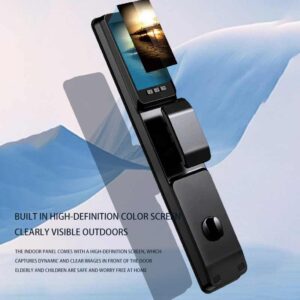

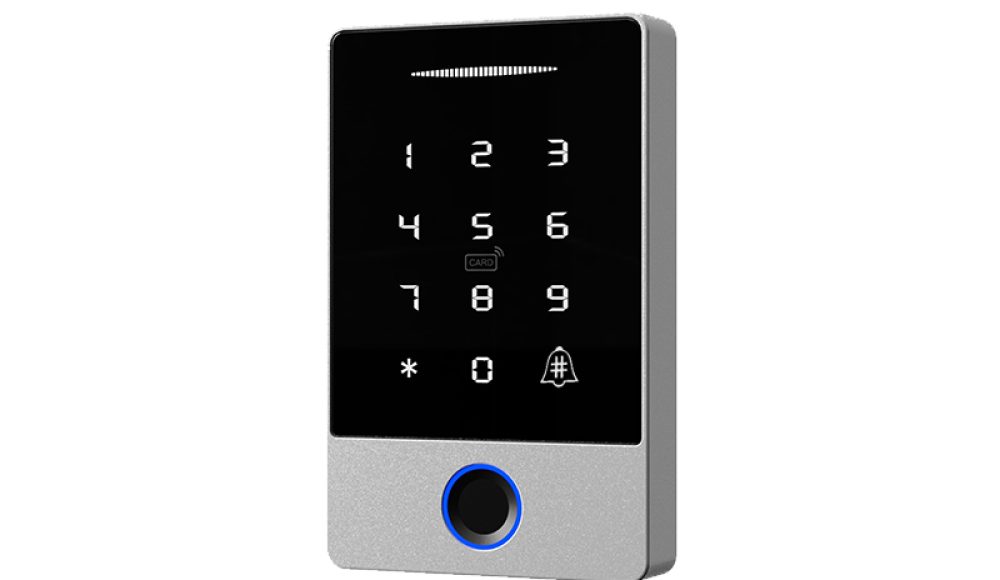
In today’s world, security is a top priority for both homes and businesses. One innovative solution gaining popularity is the smart biometric handle lock. Unlike traditional locks, these devices use advanced biometric technology, such as fingerprint recognition, to provide secure and convenient access. Therefore, understanding what makes them safe and reliable can help you make informed decisions when upgrading your security system.

Advanced Biometric Technology
First and foremost, the core of a smart biometric handle lock is its biometric recognition system. Modern locks use high-resolution sensors that accurately read fingerprints or other unique identifiers. Additionally, many models employ multilayer encryption to protect stored biometric data, ensuring that unauthorized individuals cannot access it. As a result, these locks offer a level of security far beyond traditional mechanical keys or PIN codes.
Durable and Tamper-Resistant Design
Moreover, they are built with durability in mind. They often feature reinforced materials, anti-drill components, and tamper-resistant mechanisms. Consequently, they can withstand physical attacks or attempts to bypass the lock. This makes them not only secure but also reliable in everyday use, providing long-term protection for your property. Furthermore, their weather-resistant construction ensures that outdoor installations remain functional in various conditions.
Convenience and Access Control
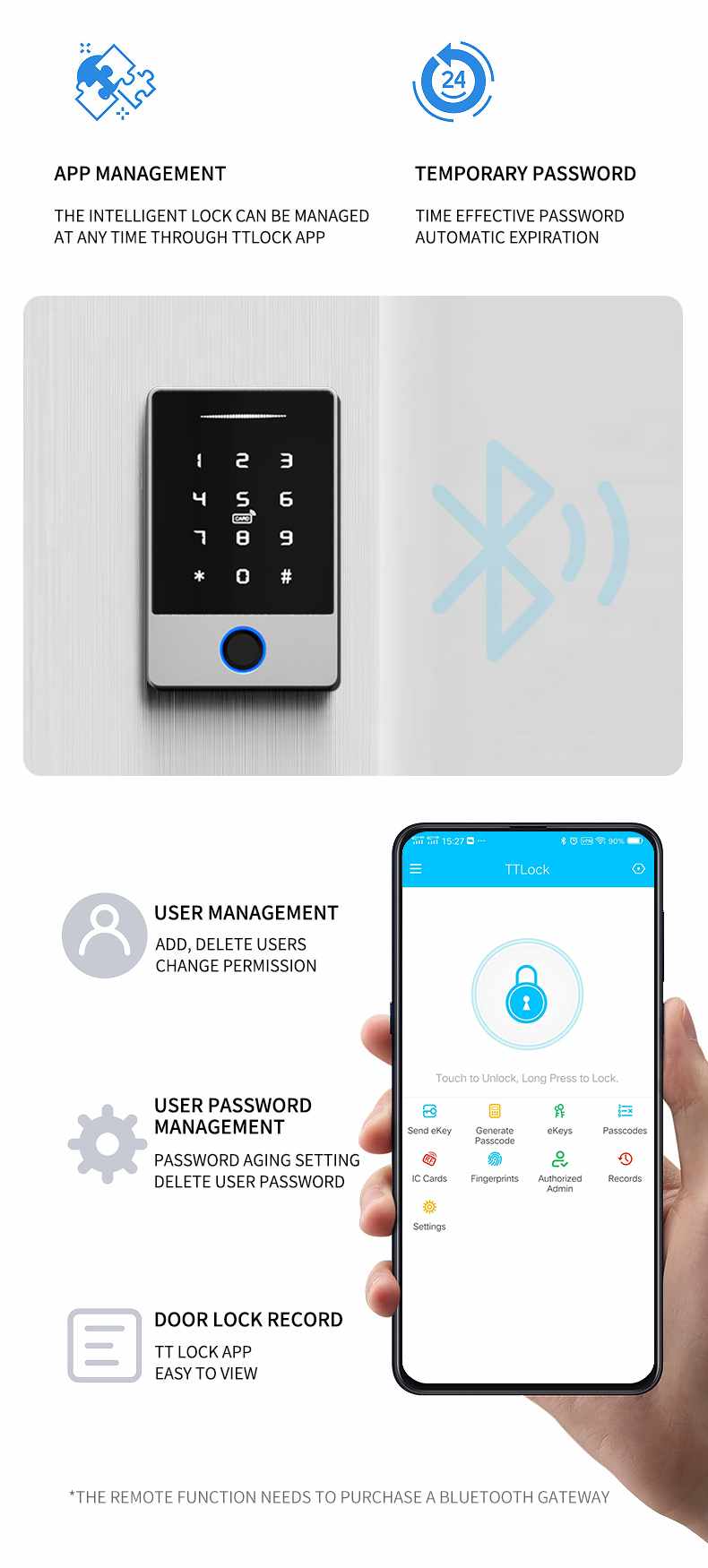
In addition to security, convenience is a major advantage of a smart biometric handle lock. Authorized users can unlock doors quickly with a fingerprint or biometric scan, eliminating the need for keys or remembering complex codes. This feature is especially beneficial for households, offices, or commercial properties with multiple users. Meanwhile, advanced models allow administrators to manage access permissions, monitor entry logs, and receive real-time notifications, further enhancing security and reliability.
Integration with Smart Home Systems
Finally, many smart biometric handle locks can integrate with smart home or building automation systems. This integration allows users to control locks remotely, set temporary access codes for guests, and even link the locks with security cameras or alarms. Therefore, these locks not only protect physical entry points but also become part of a comprehensive security ecosystem, providing peace of mind and convenience.
Conclusion
In conclusion, the safety and reliability of a smart biometric handle lock come from a combination of advanced biometric technology, durable construction, user-friendly access control, and smart home integration. By leveraging these features, homeowners and businesses can enhance their security while enjoying convenience and control. As technology continues to evolve, smart biometric locks will likely become a standard solution for modern security needs.